Exploring the World of Global Siding and Roofing
Delving into the realm of global siding and roofing, we uncover the fundamental role these elements play in the construction industry worldwide. From the diverse materials used to the critical importance of quality, this topic offers a fascinating glimpse into a crucial aspect of building structures across the globe.
Global Siding and Roofing Introduction
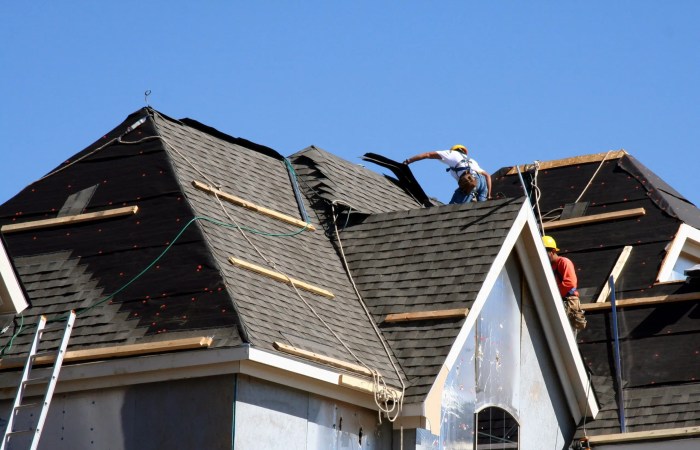
In the construction industry, global siding and roofing play a crucial role in providing protection and enhancing the aesthetic appeal of buildings worldwide. These elements not only shield structures from the elements but also contribute to energy efficiency and overall durability.
Materials Used in Global Siding and Roofing
Various materials are commonly used in global siding and roofing, each offering unique properties and benefits. Some of the popular choices include:
- Asphalt shingles: Known for their affordability and ease of installation.
- Metal roofing: Durable and long-lasting, suitable for a variety of architectural styles.
- Vinyl siding: Low maintenance and available in a wide range of colors and textures.
- Fiber cement siding: Resistant to fire, moisture, and insects, offering excellent durability.
Importance of Quality Siding and Roofing
Quality siding and roofing are essential for buildings worldwide as they provide protection against harsh weather conditions, prevent water damage, and improve energy efficiency. Ensuring the use of high-quality materials and proper installation can significantly prolong the lifespan of a structure and reduce maintenance costs in the long run.
Types of Global Siding Materials

When it comes to siding materials used internationally, there are several options available, each with its own unique characteristics and benefits.
Vinyl Siding
- Vinyl siding is one of the most popular choices globally due to its affordability and low maintenance requirements.
- It comes in a variety of colors and styles, offering homeowners a wide range of options to choose from.
- While vinyl siding is durable and resistant to rot and insects, it may crack or fade over time.
Fiber Cement Siding
- Fiber cement siding is known for its durability and resistance to fire, insects, and harsh weather conditions.
- It can mimic the look of wood or stucco, providing a versatile option for homeowners looking for a more natural aesthetic.
- Although fiber cement siding requires painting, it is low maintenance and long-lasting.
Wood Siding
- Wood siding offers a classic and timeless look that many homeowners appreciate for its natural beauty.
- While wood siding can be painted or stained to match any style, it requires regular maintenance to prevent rot, mold, and insect damage.
- Although wood siding is biodegradable and renewable, it may not be the most environmentally friendly option due to maintenance needs.
Aluminum Siding
- Aluminum siding is lightweight, durable, and resistant to rust, making it a popular choice in many regions.
- It is available in a variety of colors and styles, offering homeowners flexibility in design choices.
- While aluminum siding is low maintenance, it may dent easily and is not as energy-efficient as other materials.
Roofing Systems Around the World
Roofing systems vary widely around the world based on factors such as climate, culture, and available resources. The choice of roofing materials is influenced by these factors to ensure durability and efficiency in different regions.
Popular Roofing Systems
In North America, asphalt shingles are commonly used due to their affordability and ease of installation. In Europe, clay tiles are popular for their aesthetic appeal and longevity. Metal roofing is prevalent in Australia and parts of Asia for its durability and resistance to extreme weather conditions.
Factors Influencing Roofing Choices
The choice of roofing systems is influenced by factors such as local climate, building regulations, and cultural preferences. In regions prone to hurricanes or typhoons, homeowners opt for reinforced roofing materials to withstand high winds. In areas with heavy snowfall, steeply pitched roofs are preferred to prevent snow accumulation.
Role of Climate in Roofing Material Selection
Climate plays a crucial role in selecting suitable roofing materials worldwide. In hot climates, light-colored materials are chosen to reflect sunlight and reduce heat absorption, while in colder regions, dark-colored materials are used to absorb heat and melt snow. Additionally, moisture-resistant materials are essential in areas with high humidity to prevent mold and rot.
Sustainability in Siding and Roofing
As the world continues to prioritize sustainability and environmental consciousness, the siding and roofing industry is also shifting towards more eco-friendly practices. This trend is evident in the increasing use of sustainable materials and solutions in siding and roofing projects worldwide.
Eco-Friendly Siding and Roofing Materials
There are various eco-friendly siding and roofing materials being utilized on a global scale to promote sustainability. Examples include:
- Recycled Metal Roofing: Metal roofing made from recycled materials reduces the demand for new resources and minimizes waste.
- Bamboo Siding: Bamboo is a rapidly renewable resource that is durable and aesthetically pleasing, making it a popular choice for sustainable siding solutions.
- Solar Roof Tiles: Solar roof tiles not only provide energy efficiency but also contribute to reducing the carbon footprint of buildings.
Benefits and Challenges of Sustainable Solutions
Implementing sustainable solutions in siding and roofing offers numerous benefits, such as:
- Environmental Preservation: Using eco-friendly materials helps reduce the impact on the environment and promotes conservation of natural resources.
- Energy Efficiency: Sustainable roofing systems can enhance energy efficiency in buildings, leading to lower energy consumption and reduced emissions.
- Improved Indoor Air Quality: Some sustainable materials contribute to better indoor air quality, creating healthier living and working environments.
However, there are also challenges associated with adopting sustainable practices in the siding and roofing industry, including:
- Higher Initial Costs: Eco-friendly materials and technologies may come at a higher initial cost, which can be a barrier for some consumers.
- Lack of Awareness: Many individuals and businesses may not be fully informed about the benefits of sustainable siding and roofing solutions, leading to slower adoption rates.
- Maintenance Requirements: Some sustainable materials may require specialized maintenance or care, adding to the overall cost of ownership.
Final Conclusion
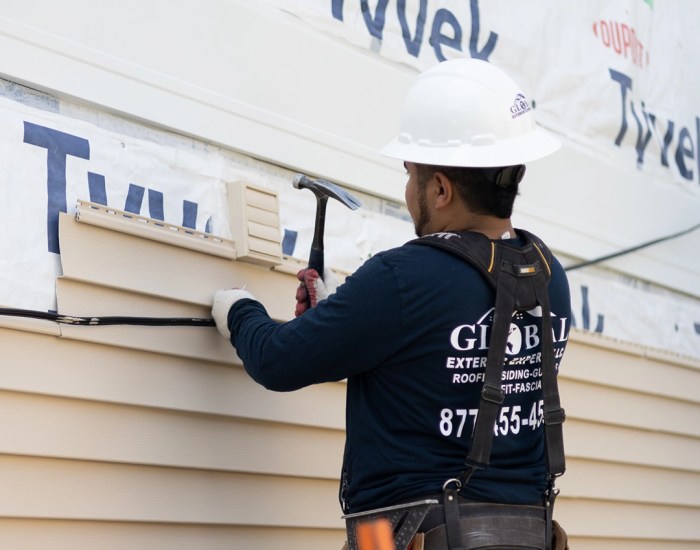
In conclusion, the intricate world of global siding and roofing showcases the intricate balance between durability, aesthetics, and sustainability. By understanding the significance of these elements, we gain a deeper appreciation for the craftsmanship involved in constructing buildings worldwide.
FAQ Compilation
What are some common materials used in global siding and roofing?
Common materials include vinyl, wood, fiber cement, and metal for siding, while roofing materials range from asphalt shingles to metal roofs.
How does climate influence the choice of roofing systems globally?
Climate dictates the selection of roofing materials, with factors like temperature, precipitation, and wind patterns determining the most suitable roofing systems for different regions.
What are the benefits of sustainable siding and roofing practices?
Sustainable practices lead to reduced environmental impact, energy efficiency, and long-term cost savings for building owners.