The Ultimate Guide to the Average Cost to Side a House with Vinyl Siding
Delve into the world of vinyl siding installation costs as we unravel the intricacies of pricing, factors, and tips in a manner that is informative yet engaging for readers.
Explore the various aspects that influence the overall cost of siding a house with vinyl siding, from geographical location to quality of materials used.
Factors influencing the cost of vinyl siding installation
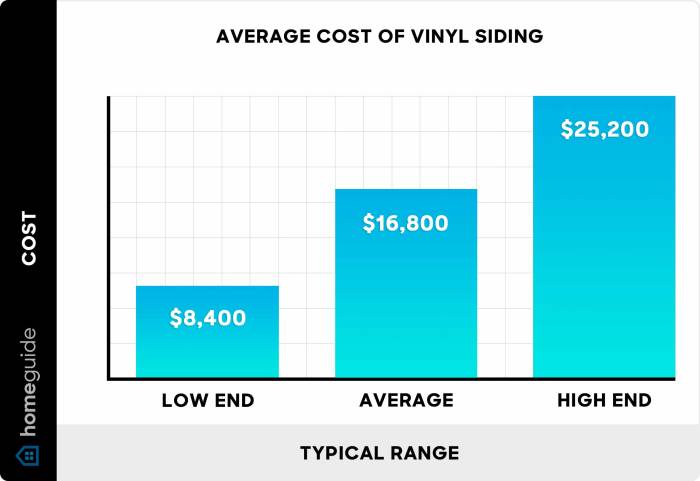
When considering the cost of vinyl siding installation, various factors come into play that can impact the overall expense. Let’s delve into these influential elements to better understand how they contribute to the final cost.
Size of the house
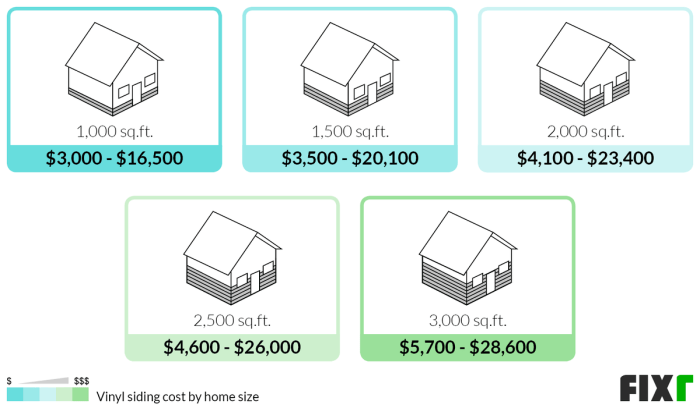
The size of the house is a crucial factor in determining the cost of vinyl siding installation. Larger homes will naturally require more materials and labor, leading to a higher overall cost. Conversely, smaller homes will cost less to side with vinyl due to the reduced amount of materials and labor needed.
Quality of the vinyl siding
The quality of the vinyl siding chosen for the installation can significantly affect the cost. Higher quality vinyl siding materials tend to be more expensive but offer better durability and longevity. Lower quality options may be more budget-friendly upfront but could result in higher maintenance costs down the line.
Labor costs
Labor costs play a significant role in the overall cost of vinyl siding installation. Skilled laborers with experience in siding installation may charge higher rates, impacting the total cost of the project. Additionally, the complexity of the installation process can also influence labor costs.
Additional features
The inclusion of any additional features or customization options can increase the cost of vinyl siding installation. Features such as trim work, decorative elements, or unique design choices will add to the overall expense of the project.
Geographical location
The geographical location of the property can also impact the pricing differences in vinyl siding installation. Factors such as local labor rates, material availability, and regional building codes can all influence the cost of the project. Areas with higher living costs or stricter regulations may result in higher overall expenses for vinyl siding installation.
Average cost per square foot for vinyl siding
When considering the average cost per square foot for vinyl siding installation, it’s important to note that prices can vary significantly based on location, quality of materials, and the complexity of the project. On average, the cost per square foot for vinyl siding installation ranges from $3 to $7.
Regional Cost Variations
In regions with a higher cost of living or where labor costs are more expensive, such as urban areas or coastal regions, the average cost per square foot for vinyl siding installation tends to be on the higher end of the spectrum.
In contrast, in more rural or suburban areas with lower labor costs, the average cost per square foot may fall towards the lower end of the range.
Vinyl Siding Options and Costs
- Basic vinyl siding options typically range from $3 to $4 per square foot. These are usually thinner panels with limited color options.
- Mid-grade vinyl siding options can cost between $4 to $6 per square foot. These offer more color choices and a slightly thicker profile.
- Premium vinyl siding options, which include additional features like improved durability and enhanced aesthetics, can cost $6 to $7 per square foot.
Impact of House Structure Complexity
The complexity of a house structure, including the number of corners, peaks, and angles, can significantly affect the cost per square foot of vinyl siding installation. Houses with a more intricate design may require additional cutting and fitting of the siding, leading to increased labor costs.
As a result, the cost per square foot for vinyl siding installation on a more complex house structure can be higher compared to a simpler layout.
Additional costs to consider when siding a house with vinyl siding
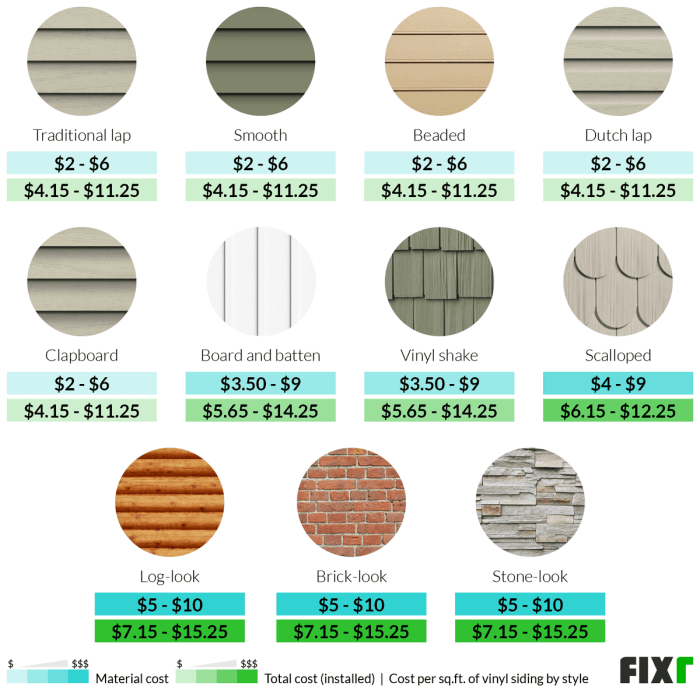
When budgeting for vinyl siding installation, homeowners often focus on the basic cost per square foot of the siding material. However, it’s crucial to consider additional expenses that can arise during the installation process. These extra costs can significantly impact the overall budget and should not be overlooked.
Removal of old siding
Before installing new vinyl siding, it’s essential to remove any existing siding on the house. This process can be labor-intensive and may require additional disposal fees for old materials. Hiring professionals for the removal can also add to the overall cost.
Insulation
Proper insulation is key to improving energy efficiency and protecting your home from the elements. Installing insulation under the vinyl siding can increase the cost of the project but can lead to long-term savings on energy bills.
Trim work
Adding trim work around windows, doors, corners, and edges can enhance the aesthetic appeal of your home but comes with an additional cost. The quality of the trim materials and complexity of the design can impact the overall expense.
Permits
Depending on local regulations, you may need to obtain permits for the vinyl siding installation. Permit fees can vary based on the location and scope of the project. It’s essential to factor in these costs when planning your budget.
Budgeting for unexpected costs
During any home improvement project, unexpected costs can arise. It’s important to set aside a contingency fund to cover any unforeseen expenses that may come up during the vinyl siding installation. Being prepared for unexpected costs can help prevent budget overruns and delays in the project.
Cost-saving tips and alternatives for vinyl siding installation
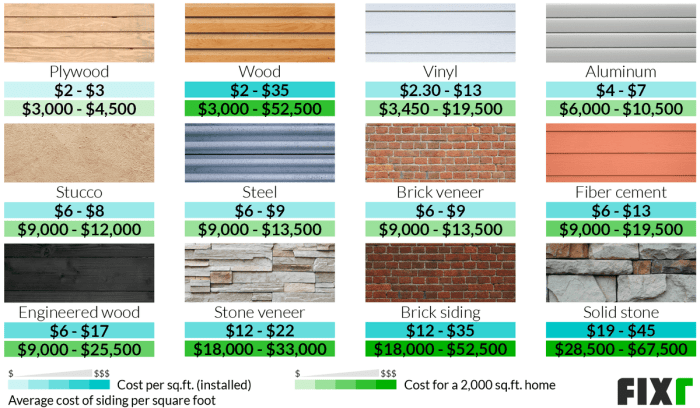
When considering siding options for your home, there are several ways to save on costs without compromising quality. Whether it’s through smart choices in materials or DIY approaches, here are some tips to help you make the most cost-effective decision.
Opt for Cost-Effective Alternatives to Vinyl Siding
If the cost of vinyl siding is a concern, you may want to explore alternative siding materials that can offer a similar aesthetic appeal at a lower price point. Some options to consider include:
- Fiber cement siding: Known for its durability and low maintenance, fiber cement siding can be a cost-effective alternative to vinyl.
- Engineered wood siding: This type of siding mimics the look of natural wood but is more affordable and easier to maintain.
- Metal siding: While less common, metal siding can be a durable and cost-efficient choice for some homeowners.
DIY Vinyl Siding Installation
One way to save on installation costs is by tackling the siding project yourself. However, keep in mind that DIY vinyl siding installation requires careful preparation and attention to detail. Here are some considerations if you choose to go the DIY route:
- Research and educate yourself on proper installation techniques to avoid costly mistakes.
- Invest in quality tools and equipment to ensure a professional finish.
- Start with a small area or a less visible side of the house to practice before moving on to more prominent areas.
Final Thoughts
In conclusion, the journey through the average cost to side a house with vinyl siding reveals a landscape of considerations and possibilities, guiding homeowners towards informed decisions and cost-effective solutions.
Detailed FAQs
What factors can influence the cost of vinyl siding installation?
Factors include the size of the house, quality of materials, labor costs, and geographical location.
What are some cost-saving tips for vinyl siding installation?
Homeowners can reduce costs by comparing quotes, opting for simpler designs, and considering DIY options.
Are there additional costs to consider besides the basic vinyl siding cost?
Additional costs may include old siding removal, insulation, trim work, and permits.