Exploring the Wonders of Garden Architecture: A Comprehensive Guide
Embark on a journey through the enchanting world of garden architecture. From intricate pathways to majestic sculptures, this topic delves into the elements that shape breathtaking outdoor spaces. Learn about the historical evolution, fundamental principles, and sustainable practices that define modern garden design.
Get ready to be inspired by the beauty and creativity of garden architecture.
Garden Architecture Elements
When it comes to garden architecture, various elements play a crucial role in creating a harmonious and visually appealing outdoor space. From pathways to water features, each element contributes to the overall design and ambiance of the garden.
Pathways
Pathways are an essential element in garden architecture as they guide visitors through the space and create a sense of flow. They can be made of various materials such as gravel, stone, or concrete, and can be designed in different shapes and patterns to complement the overall theme of the garden.
Pergolas
Pergolas are structures that provide shade and support for climbing plants like vines and creepers. They add vertical interest to the garden and create a cozy outdoor space for relaxation or dining. In traditional garden architecture, pergolas are often adorned with intricate designs and carvings, while modern designs tend to focus on clean lines and minimalist aesthetics.
Water Features
Water features such as fountains, ponds, and waterfalls bring a sense of tranquility and movement to the garden. They attract wildlife and add a soothing ambiance to the outdoor space. Traditional garden architecture often features elaborate water features with ornate sculptures and statues, while modern designs opt for sleek and contemporary water features that blend seamlessly with the surroundings.
Sculptures
Sculptures are artistic elements that add a focal point and visual interest to the garden. They can be made of various materials such as stone, metal, or wood, and come in different shapes and sizes. In traditional garden architecture, sculptures are often classical and depict mythological figures, while modern designs feature abstract and contemporary sculptures that reflect current artistic trends.
Historical Evolution of Garden Architecture
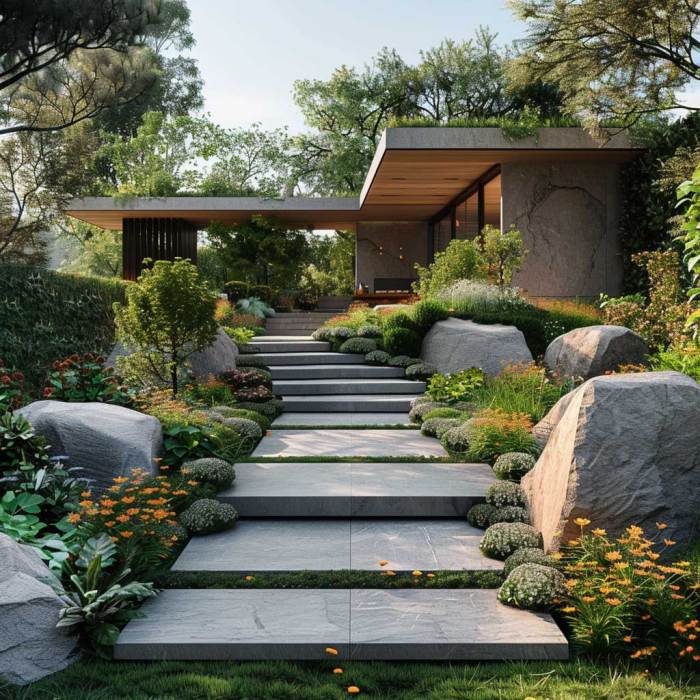
Garden architecture has a rich history that dates back to ancient civilizations, with each era influencing the design and layout of gardens in unique ways.
Ancient Civilizations: The Origins of Garden Architecture
One of the earliest examples of garden architecture can be traced back to the Hanging Gardens of Babylon, one of the Seven Wonders of the Ancient World. These gardens showcased intricate irrigation systems and terraced landscaping, setting the stage for future garden designs.
Renaissance Period: Formal Garden Design
- The Renaissance period saw the rise of formal garden design, characterized by geometric patterns, symmetrical layouts, and elaborate fountains. Examples include the Gardens of Versailles in France, known for its grandeur and opulence.
- Influential architects like André Le Nôtre played a significant role in shaping the formal garden style during this period, emphasizing the use of perspective and symmetry in garden architecture.
Victorian Era: Romantic Garden Landscapes
- The Victorian era marked a shift towards more naturalistic garden landscapes, inspired by the English countryside. Gardens like the Butchart Gardens in Canada exemplify this style, with winding pathways, lush plantings, and picturesque vistas.
- Key features of Victorian garden architecture include the use of exotic plants, ornate gazebos, and intricate floral displays, creating a sense of whimsy and nostalgia.
Modern Era: Sustainable and Innovative Designs
- In the modern era, garden architecture has evolved to prioritize sustainability and innovation. Designers are incorporating eco-friendly practices, such as rainwater harvesting and native plantings, into their designs.
- Contemporary gardens like the High Line in New York City showcase cutting-edge design concepts that blend urban infrastructure with green spaces, redefining the boundaries of traditional garden architecture.
Principles of Landscape Design
In landscape design, several fundamental principles are crucial in creating visually appealing and functional outdoor spaces. These principles include balance, unity, proportion, rhythm, and focalization
Balance
Balance in landscape design refers to the equal distribution of visual weight in a garden. This can be achieved through symmetrical or asymmetrical arrangements of plants, trees, and hardscape elements. A well-balanced garden creates a sense of harmony and stability for the viewer.
Unity
Unity involves creating a cohesive design by ensuring all elements work together harmoniously. This can be achieved through repetition of colors, shapes, or textures throughout the garden. Unity helps tie the different components of a garden together, creating a sense of completeness.
Proportion
Proportion in landscape design deals with the relationship between the various elements in a garden. It involves ensuring that the size, scale, and shape of plants, structures, and pathways are in proportion to each other and the overall space. Proper proportion creates a sense of balance and harmony in the garden.
Rhythm
Rhythm in landscape design refers to the movement or flow created by the arrangement of elements in a garden. It can be achieved through the repetition of patterns, colors, or textures to guide the viewer's eye through the space. Rhythm adds a dynamic quality to the garden, making it more engaging and visually interesting.
Focalization
Focalization involves creating a focal point in the garden to draw attention and create visual interest. This can be achieved through the use of a specimen plant, a sculpture, or a water feature. A well-placed focal point can enhance the overall aesthetic of the garden and provide a sense of direction for the viewer.
Sustainable Garden Architecture
Creating sustainable garden architecture involves incorporating eco-friendly design principles to minimize environmental impact and ensure long-term maintenance.
Rain Gardens
Rain gardens are designed to capture and absorb rainwater runoff from roofs, driveways, and other surfaces, reducing erosion and pollution in water bodies. These gardens typically include native plants that can thrive in wet conditions, promoting biodiversity and providing habitat for wildlife.
Green Roofs
Green roofs consist of vegetation planted on the roof of a building, providing insulation, reducing energy consumption, and mitigating the urban heat island effect. They also help manage stormwater runoff and improve air quality in urban areas.
Native Plantings
Integrating native plants into garden design helps conserve water, reduce the need for chemical fertilizers and pesticides, and support local ecosystems. Native plants are adapted to the local climate and soil conditions, requiring less maintenance and creating a more resilient landscape.
Concluding Remarks
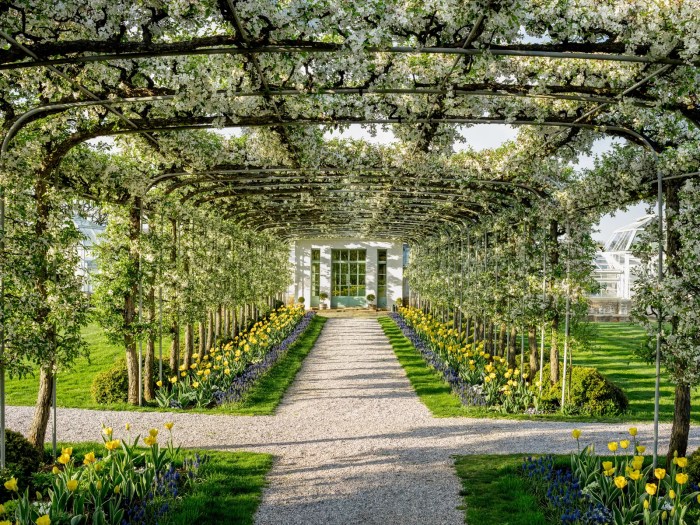
As we conclude our exploration of garden architecture, we are reminded of the timeless allure and significance of well-designed outdoor spaces. From ancient civilizations to contemporary trends, garden architecture continues to captivate and inspire us. Let the principles of balance, unity, and sustainability guide your own garden design journey, creating a harmonious blend of nature and artistry.
Key Questions Answered
What are some common elements of garden architecture?
Common elements include pathways, pergolas, water features, and sculptures, each playing a key role in creating a harmonious garden design.
How has garden architecture evolved over time?
Garden architecture has evolved from ancient civilizations to contemporary designs, influenced by various architectural styles and historical periods.
What are the fundamental principles of landscape design?
The fundamental principles include balance, unity, proportion, rhythm, and focalization, which are essential in creating visually appealing and functional outdoor spaces.
How can sustainable practices be integrated into garden architecture?
Designers integrate sustainable elements like rain gardens, green roofs, and native plantings to enhance environmental impact and reduce long-term maintenance.