Exploring the World of Gehry Architecture
Embark on a journey through the captivating realm of Gehry architecture, where innovation and creativity converge to redefine the boundaries of design and construction. This narrative promises a glimpse into the unique and groundbreaking architectural style of Frank Gehry, a visionary whose work continues to inspire and awe audiences worldwide.
Delve into the fascinating world of Gehry architecture as we unravel the essence of this iconic architectural genre, exploring its history, key features, and enduring impact on the architectural landscape.
Overview of Gehry Architecture
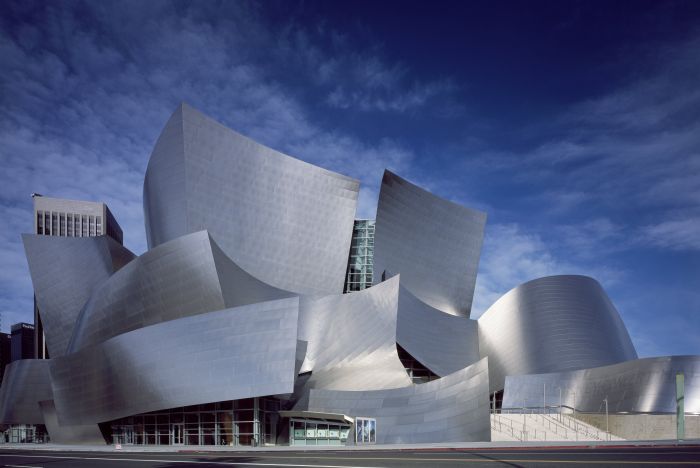
Gehry architecture refers to the distinctive and innovative architectural style developed by renowned architect Frank Gehry. His designs are characterized by their use of unconventional shapes, materials, and forms that challenge traditional architectural norms. Gehry's buildings often appear as if they are in motion, with dynamic and fluid lines that create visually striking structures.Frank Gehry first gained international recognition for his design of the Guggenheim Museum in Bilbao, Spain, completed in 1997.
This iconic building, with its undulating titanium facade, became a symbol of modern architecture and revitalized the city of Bilbao. Since then, Gehry has continued to push boundaries and create groundbreaking designs that redefine the possibilities of architectural form.
Key Features of Gehry Architecture
- Gehry's use of unconventional materials such as titanium, stainless steel, and glass gives his buildings a futuristic and avant-garde aesthetic.
- His buildings often feature complex and geometrically intricate shapes that challenge traditional notions of structure and form.
- Gehry is known for his focus on the human experience within his designs, creating spaces that are both functional and visually compelling.
- His work blurs the lines between art and architecture, with each building acting as a sculptural masterpiece in its own right.
Iconic Gehry Buildings
Frank Gehry is known for his innovative and unique architectural designs that have left a lasting impact on the world of architecture. Some of the most famous Gehry-designed buildings include:
Walt Disney Concert Hall
The Walt Disney Concert Hall in Los Angeles is one of Gehry's most iconic buildings. The stainless steel curves and unique shapes of the building make it a standout piece of architecture. The use of materials like stainless steel and glass creates a striking visual impact, reflecting light and creating a sense of movement.
Guggenheim Museum Bilbao
Another one of Gehry's most famous buildings is the Guggenheim Museum in Bilbao, Spain. The building's titanium curves and futuristic design have made it a symbol of modern architecture. The use of titanium as a material gives the building a shimmering effect, changing color depending on the light and angle.
Louis Vuitton Foundation
The Louis Vuitton Foundation in Paris is yet another example of Gehry's iconic designs. The building's glass sails and intricate steel structure create a sense of lightness and transparency. The use of glass and steel in this building reflects Gehry's signature style of combining different materials in unexpected ways.
Cultural Impact
Gehry's buildings have had a significant cultural impact on the architectural world. His unconventional designs have challenged traditional notions of architecture and inspired other architects to think outside the box. Gehry's use of materials and shapes has opened up new possibilities in architectural design, pushing the boundaries of what is possible in the field.
Design Philosophy of Gehry
Frank Gehry's design philosophy is rooted in pushing the boundaries of traditional architecture, embracing innovation, and blurring the lines between art and functionality. His approach challenges conventional norms and seeks to create structures that are not only visually striking but also serve a purpose.
Gehry's Unique Approach
- Gehry's architecture is characterized by dynamic forms and unconventional shapes that defy traditional expectations.
- He often incorporates materials such as titanium and glass, creating a sense of movement and fluidity in his designs.
- His buildings are known for their sculptural quality, resembling works of art more than typical structures.
Artistic Expression in Architecture
- Gehry's designs are a testament to his belief that architecture should evoke emotion and provoke thought, much like a piece of art.
- His use of light, shadow, and texture adds depth and dimension to his buildings, creating a sensory experience for those who interact with them.
- By blurring the lines between art and functionality, Gehry challenges the notion that architecture must conform to rigid standards.
Innovation and Creativity
- Gehry's creative process often involves sketching by hand and experimenting with different materials to achieve his vision.
- His willingness to take risks and think outside the box has led to groundbreaking designs that have redefined the architectural landscape.
- Through his work, Gehry encourages architects to embrace innovation, creativity, and a willingness to challenge the status quo.
Influence and Legacy
Frank Gehry's innovative approach to architecture has had a profound impact on the field, influencing contemporary architects worldwide and leaving a lasting legacy that continues to inspire future generations.
Global Influence
Frank Gehry's unconventional designs have reshaped the way architects approach building structures, pushing boundaries and challenging traditional norms. His use of unconventional materials, bold shapes, and dynamic forms has inspired a new wave of architectural creativity around the globe.
Architectural Inspiration
- Gehry's legacy of experimentation and creativity continues to motivate architects to think outside the box and explore new design possibilities.
- His ability to blend art with architecture has set a new standard for the integration of aesthetics and functionality in building design.
- Architects worldwide look to Gehry's work for inspiration on how to create buildings that not only serve their practical purpose but also stand as works of art in their own right.
Lasting Impact
The lasting impact of Gehry's architectural contributions can be seen in the way buildings are now conceived and constructed. His emphasis on fluidity, movement, and sculptural forms has become a hallmark of contemporary architecture, influencing everything from skyscrapers to cultural institutions.
Conclusion
In conclusion, the legacy of Gehry architecture stands as a testament to the power of artistic vision and architectural innovation. Through his iconic buildings and boundary-pushing designs, Frank Gehry has left an indelible mark on the world of architecture, shaping the future of design for generations to come.
FAQ Compilation
What defines Gehry architecture?
Gehry architecture is characterized by its unconventional forms, use of materials like titanium and stainless steel, and a focus on fluidity and movement in design.
Which Gehry-designed building is considered the most iconic?
One of the most iconic Gehry-designed buildings is the Guggenheim Museum in Bilbao, Spain, renowned for its avant-garde design and architectural ingenuity.
How does Gehry's architecture challenge traditional norms?
Gehry's architecture challenges traditional norms by defying conventional shapes and structures, opting instead for dynamic and sculptural forms that push the boundaries of architectural design.