Structural Repair Contractors: The Key Players in Building Restoration
Embark on a journey into the world of structural repair contractors, the unsung heroes who ensure the safety and integrity of our buildings. From fixing cracks to reinforcing foundations, these experts play a crucial role in maintaining the structural stability of various structures.
Let’s delve deeper into their realm and unravel the mysteries behind their work.
Understanding Structural Repair Contractors
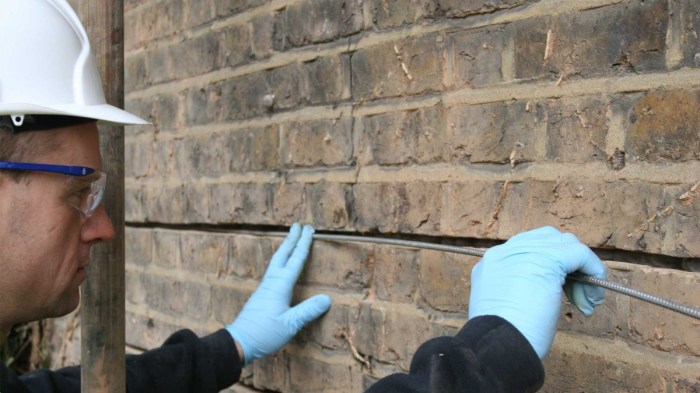
Structural repair contractors play a crucial role in ensuring the safety and stability of buildings and structures. They are responsible for assessing, repairing, and reinforcing various structural elements to prevent collapse or further damage.
Examples of Situations Requiring Structural Repair Contractors
- Foundation Cracks: Structural repair contractors are needed to repair foundation cracks that can compromise the stability of a building.
- Water Damage: In cases of water damage, structural repair contractors are required to assess and repair any structural issues caused by water infiltration.
- Structural Weakness: Buildings with structural weaknesses due to age or poor construction may need the expertise of structural repair contractors to strengthen and reinforce the structure.
The Importance of Hiring Qualified Structural Repair Contractors
It is essential to hire qualified structural repair contractors for any repair or reinforcement work to ensure the safety and integrity of the structure. Qualified contractors have the necessary expertise, training, and experience to accurately assess the situation and provide effective solutions.
Hiring unqualified or inexperienced contractors can lead to subpar workmanship and potentially dangerous outcomes.
Services Offered by Structural Repair Contractors
When it comes to structural repair contractors, they offer a wide range of services to address various issues related to the structural integrity of buildings. These services are crucial in maintaining the safety and stability of a structure.
Types of Services
Structural repair contractors typically offer services such as:
- Foundation Repair: This involves fixing issues with the foundation of a building, such as cracks, settlement, or water damage.
- Wall Repair: Contractors can repair damaged walls, whether it’s due to water infiltration, settlement, or other structural issues.
- Roof Repair: Repairing roof leaks, sagging roofs, or damaged roof structures fall under this category of services.
- Structural Strengthening: Contractors can reinforce and strengthen existing structures to improve their load-bearing capacity.
- Concrete Repair: Fixing cracks, spalling, or other damage to concrete structures is another common service offered.
Examples of Projects
Structural repair contractors handle a variety of projects, including:
- Repairing foundation cracks and stabilizing settling foundations.
- Fixing water damage on walls and reinforcing weakened structures.
- Replacing damaged roof trusses and repairing leaks in the roof.
- Strengthening building columns and beams to meet safety standards.
- Repairing concrete parking structures and bridges to ensure structural integrity.
Qualifications and Training
To become a structural repair contractor, individuals need to meet specific educational and training requirements. These requirements are crucial to ensure that contractors have the necessary knowledge and skills to effectively carry out structural repairs.
Educational Requirements
- Completion of a high school diploma or equivalent is usually the minimum educational requirement for aspiring structural repair contractors.
- Some contractors may choose to pursue a degree in civil engineering, construction management, or a related field to gain a deeper understanding of structural principles.
Training and Certifications
- Structural repair contractors may need to obtain specific certifications or licenses depending on the regulations in their region. For example, in the United States, contractors may need to be licensed by the state in which they operate.
- Additional certifications, such as those related to safety protocols, structural inspection, or specialized repair techniques, can help contractors demonstrate their expertise and professionalism in the field.
Importance of Ongoing Training
Continuing education and professional development are essential for structural repair contractors to stay up-to-date with the latest industry trends, techniques, and regulations. Ongoing training ensures that contractors can provide high-quality services and maintain compliance with safety standards.
Safety Measures and Regulations
When it comes to structural repair work, safety is a top priority for contractors. They follow strict protocols to ensure the well-being of their team members and the occupants of the building.
Safety Protocols on Job Sites
- Contractors conduct thorough safety inspections before starting work to identify potential hazards.
- All team members are required to wear appropriate personal protective equipment (PPE) such as hard hats, gloves, and safety glasses.
- Regular safety meetings are held to discuss potential risks and reinforce safety procedures.
- Emergency evacuation plans are in place, and all workers are trained on how to respond to different emergency scenarios.
Common Safety Hazards and Mitigation
Structural repair work can involve various safety hazards, but contractors take steps to mitigate these risks:
- Working at heights: Contractors use safety harnesses and guardrails to prevent falls.
- Exposure to hazardous materials: Proper ventilation and PPE are used when dealing with asbestos, lead, or mold.
- Structural instability: Engineers assess the structure’s stability before work begins, and temporary supports are used when needed.
- Electrical hazards: All electrical systems are shut off before work begins, and only qualified personnel handle electrical components.
Regulations and Standards
Structural repair contractors must adhere to strict regulations and standards set by governing bodies to ensure safety and quality of work:
- The Occupational Safety and Health Administration (OSHA) sets guidelines for workplace safety, including regulations specific to the construction industry.
- The American Concrete Institute (ACI) provides standards for concrete repair and restoration to ensure structural integrity.
- Local building codes and regulations dictate specific requirements for structural repairs to ensure compliance with safety standards.
Materials and Techniques
When it comes to structural repair projects, contractors utilize a variety of materials and techniques to ensure the stability and safety of buildings. These materials and techniques continue to evolve with advancements in technology and industry standards.
Materials Used in Structural Repair
- Concrete: A common material used in structural repairs due to its strength and durability.
- Steel: Often used to reinforce structures or provide additional support.
- Epoxy Resins: Used for bonding and sealing cracks in concrete structures.
- Carbon Fiber Reinforcement: Provides additional strength and stability to weakened structures.
Techniques Employed by Contractors
- Crack Injection: Injecting epoxy resins into cracks to seal and strengthen the structure.
- Carbon Fiber Wrapping: Applying carbon fiber sheets to reinforce and stabilize structural elements.
- Underpinning: Strengthening the foundation of a building to support the overall structure.
- Grouting: Filling voids and gaps in structures to improve stability.
Advancements in Materials and Techniques
Advancements in materials and techniques have significantly improved the efficiency and effectiveness of structural repairs. For example, the development of high-strength epoxy resins has allowed for stronger and more durable repairs, while the use of advanced imaging techniques has enhanced the accuracy of inspections and assessments.
Conclusive Thoughts
In conclusion, structural repair contractors are the backbone of the construction industry, safeguarding the structural integrity of buildings with their expertise and precision. With their diverse services and unwavering commitment to safety, these professionals stand as pillars of reliability in the realm of structural repair.
Essential Questionnaire
What are the common signs that indicate the need for structural repair contractors?
Cracks in walls, sagging floors, and doors that no longer close properly are common signs that may require the expertise of structural repair contractors.
How can I ensure that the structural repair contractor I hire is qualified for the job?
Look for certifications, relevant experience, and ask for references to ensure that the contractor is qualified and capable of handling the structural repairs effectively.
What are some innovative materials used by structural repair contractors for their projects?
Epoxy resins, carbon fiber sheets, and polyurethane foam injections are some of the innovative materials used by structural repair contractors to strengthen and repair structures.
Do structural repair contractors provide warranties for their work?
Many reputable structural repair contractors offer warranties for their work to provide assurance to clients regarding the quality and durability of the repairs performed.